WOODFIRE COLLECTION
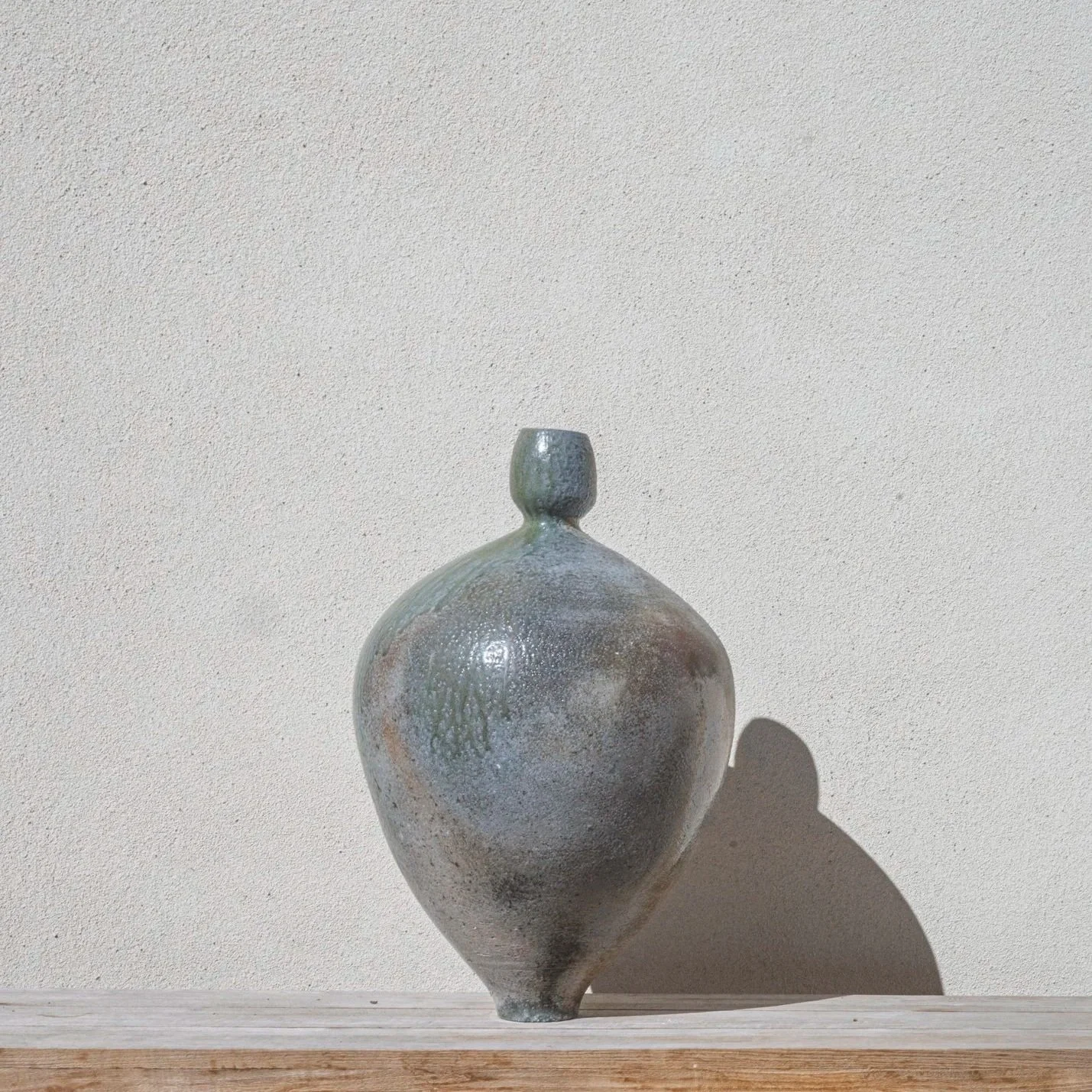
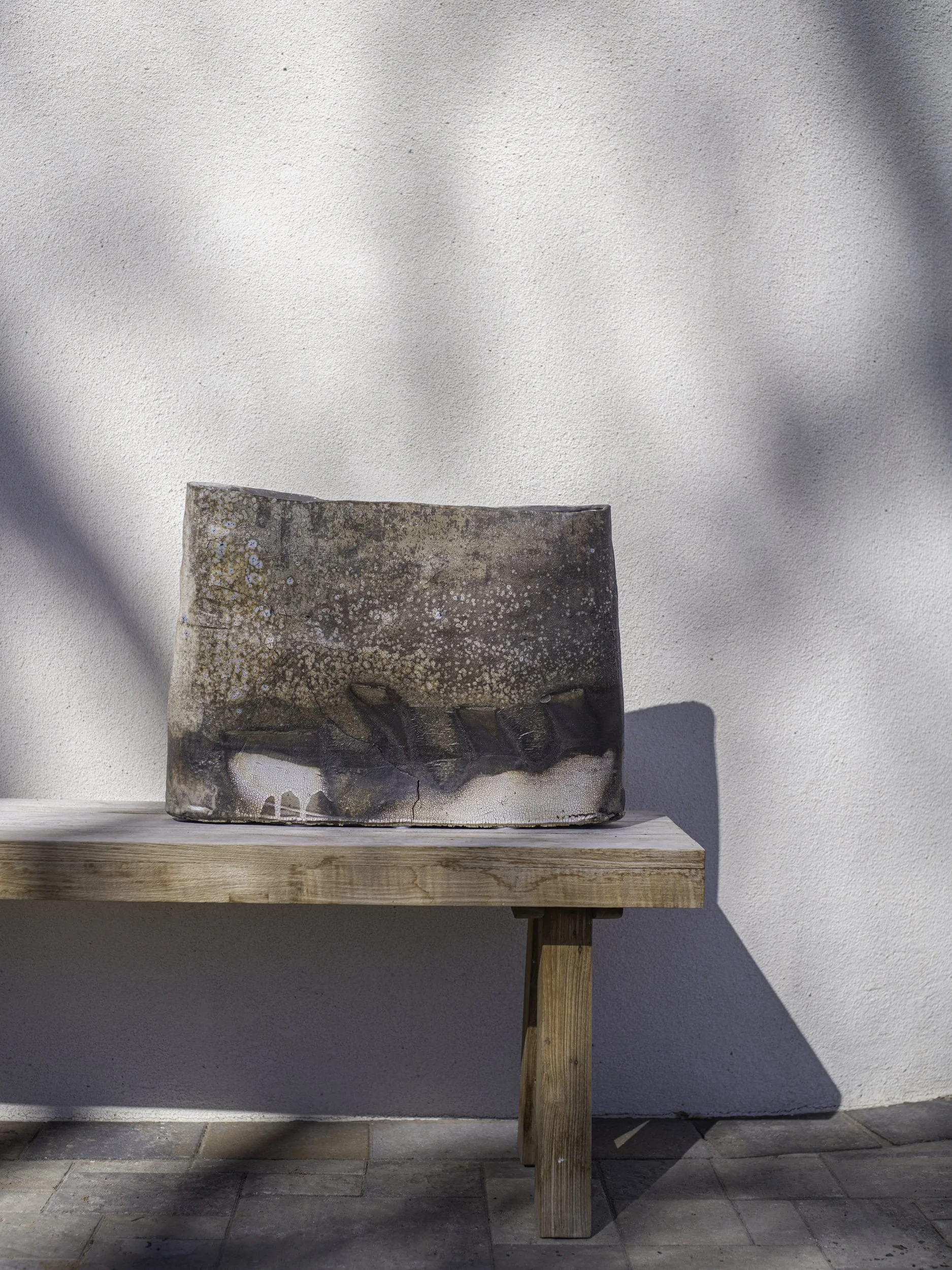
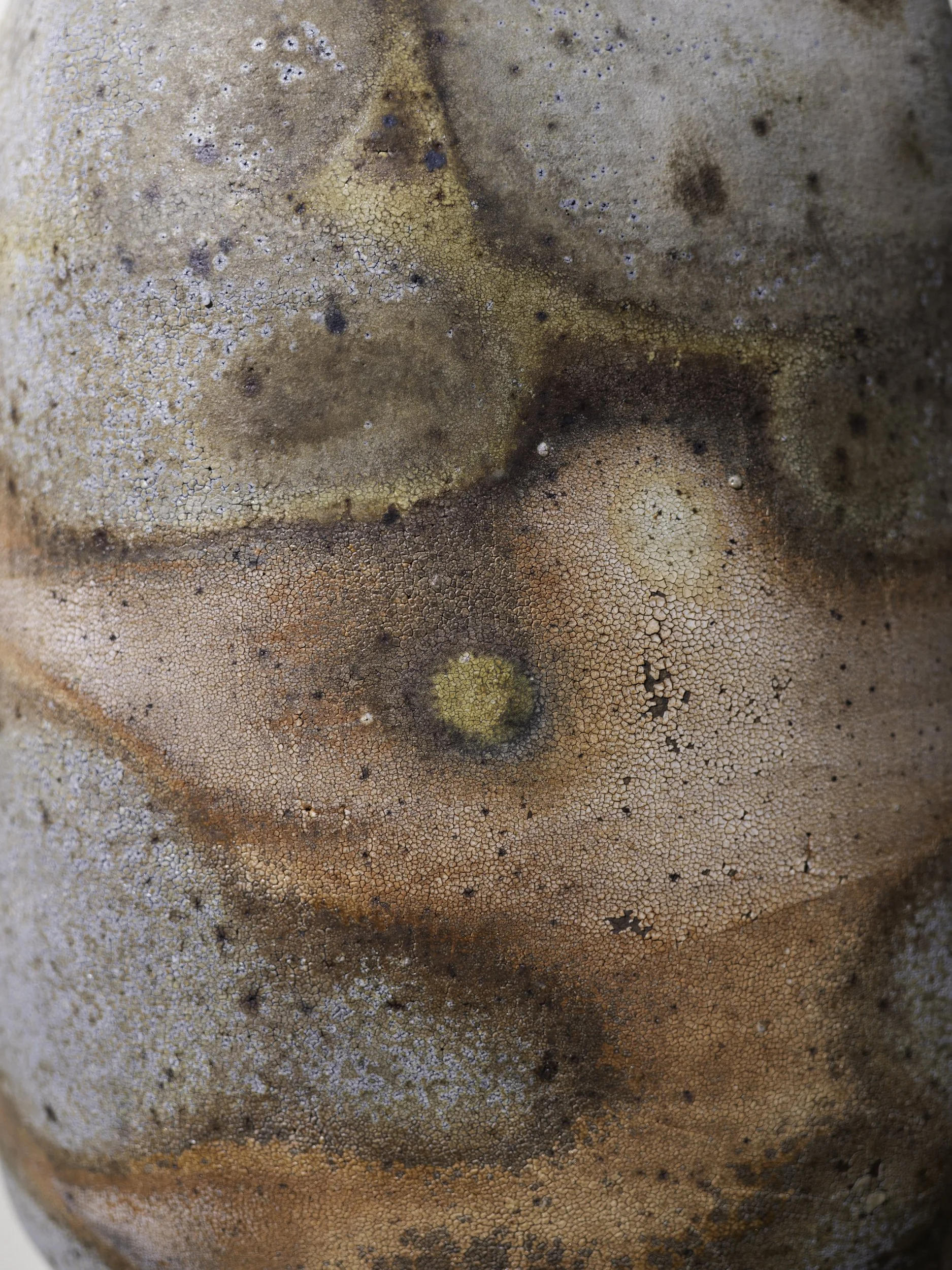
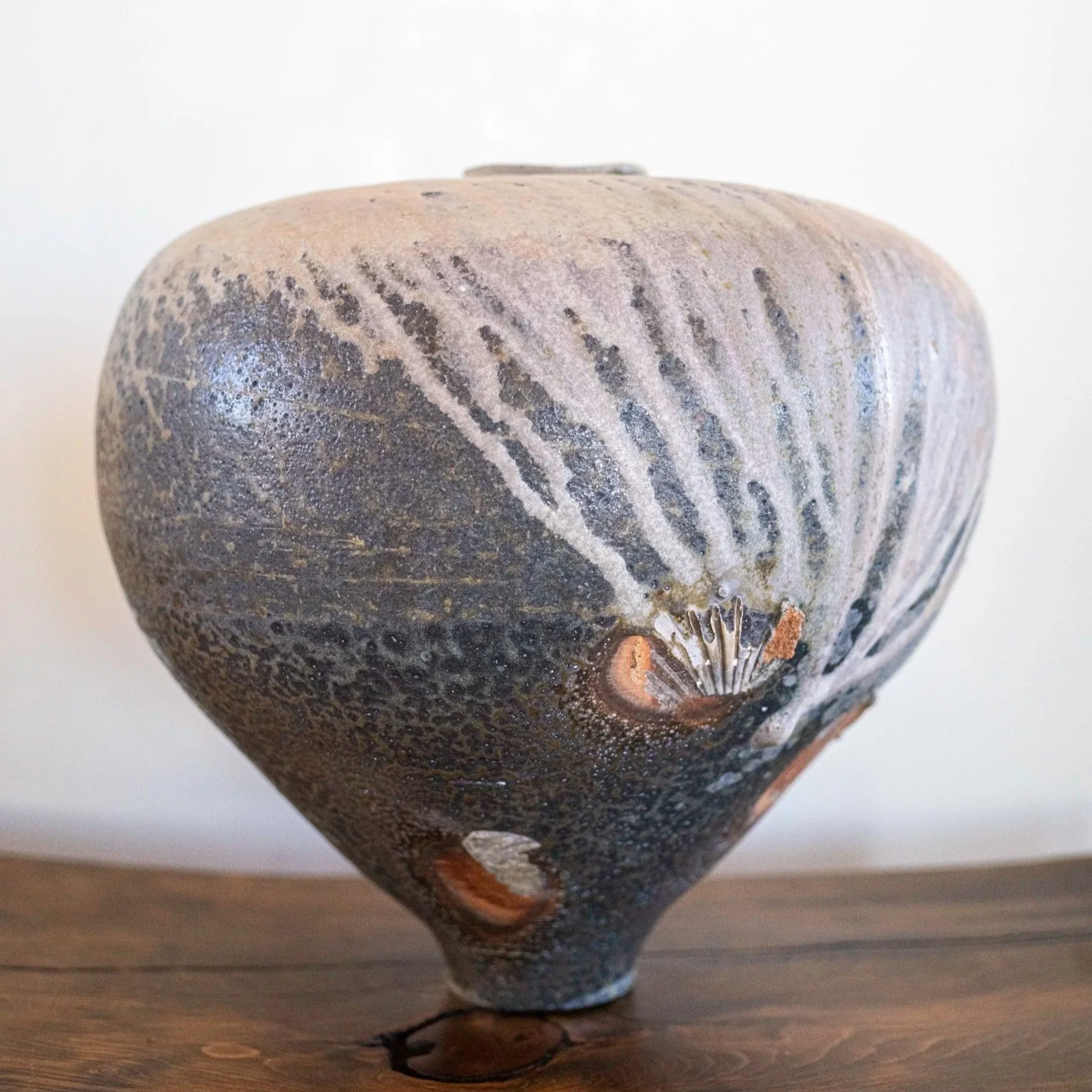
"I am trying to gather all these elements and balance them into my own canvas - a three dimensional object. In this, someone can enjoy the natural landscape from inside their home as they would through a window. In a sense I have tried to take what is beautiful outside and embody it into an object that belongs inside."
About the collection
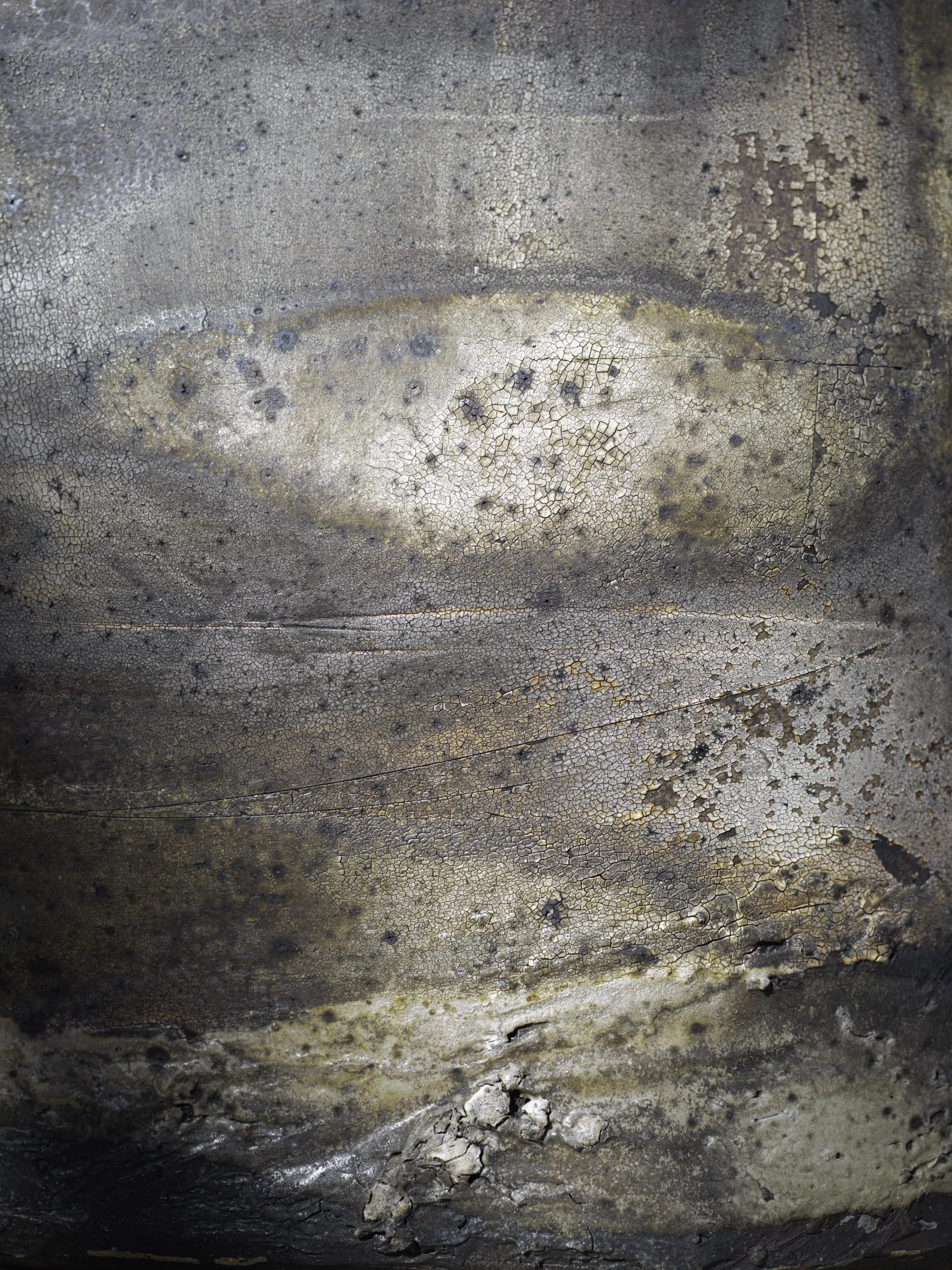
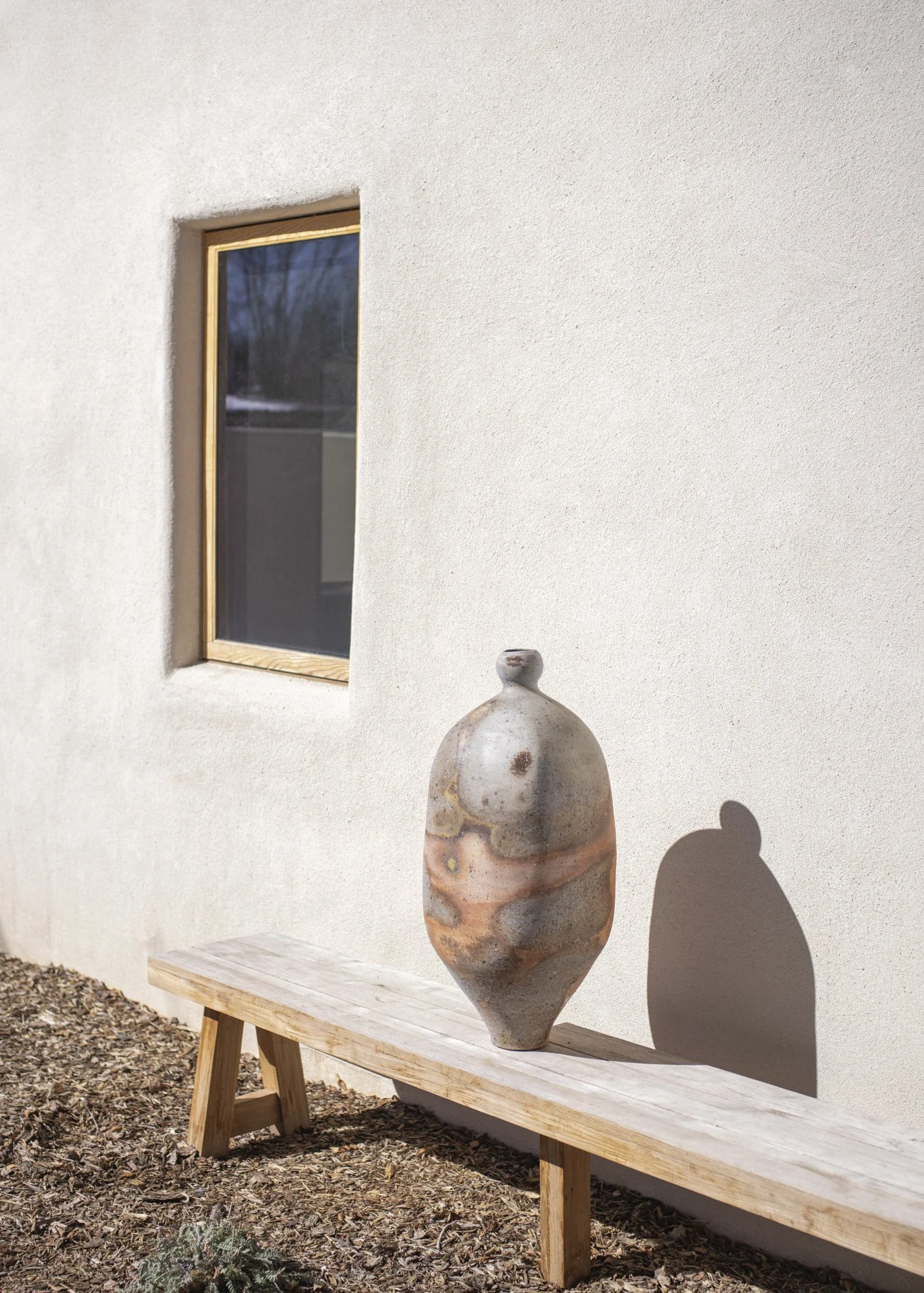
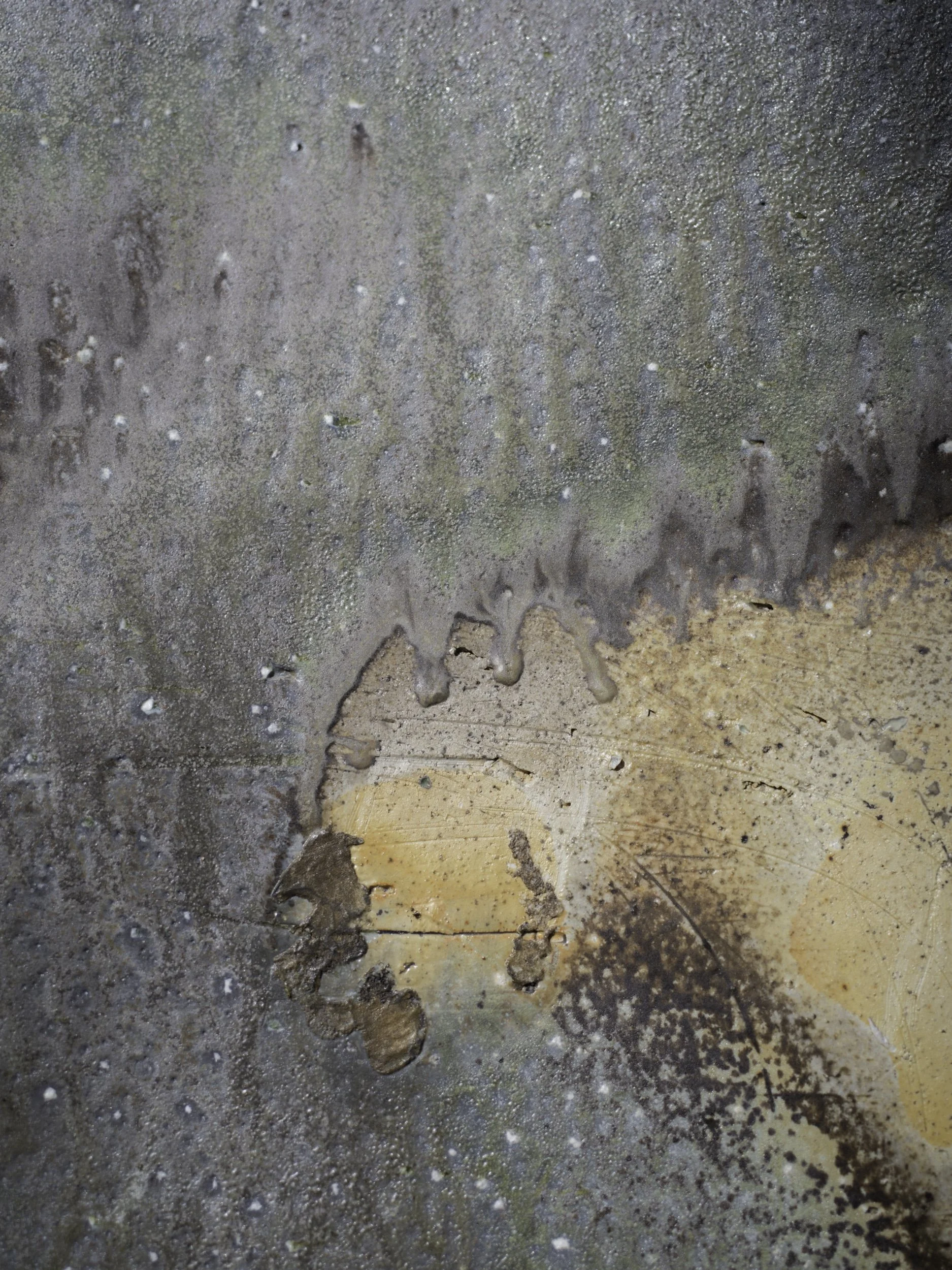
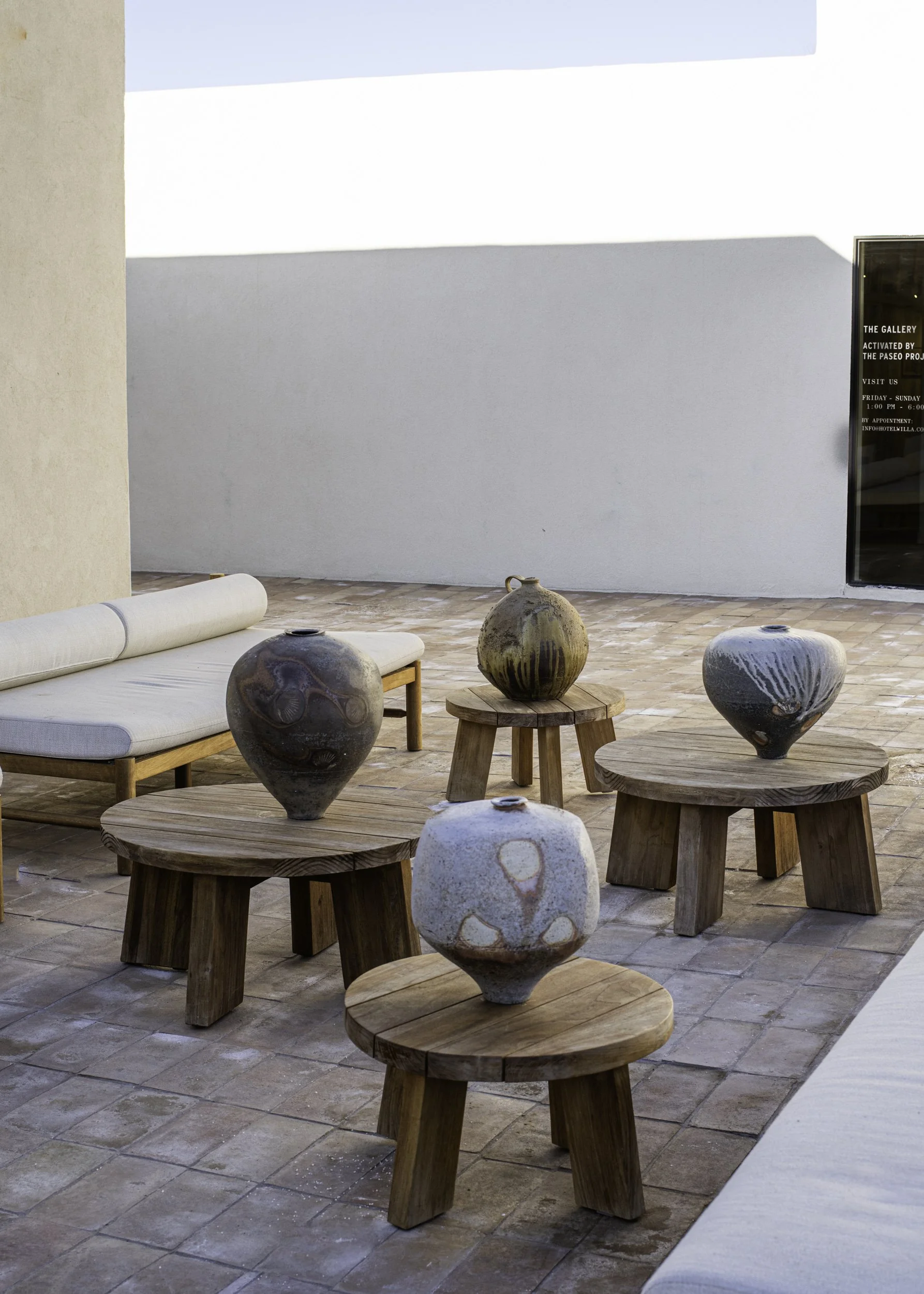
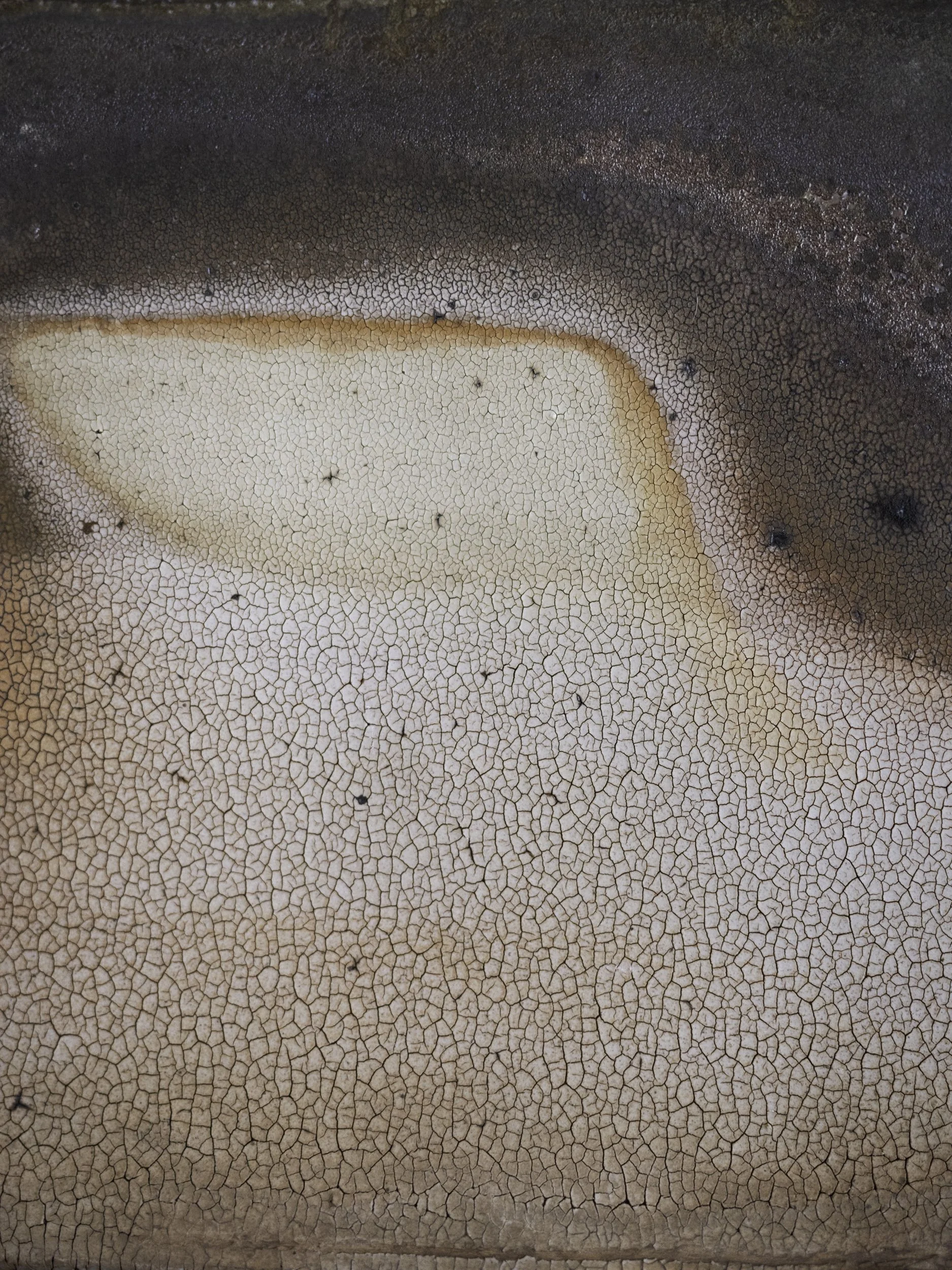
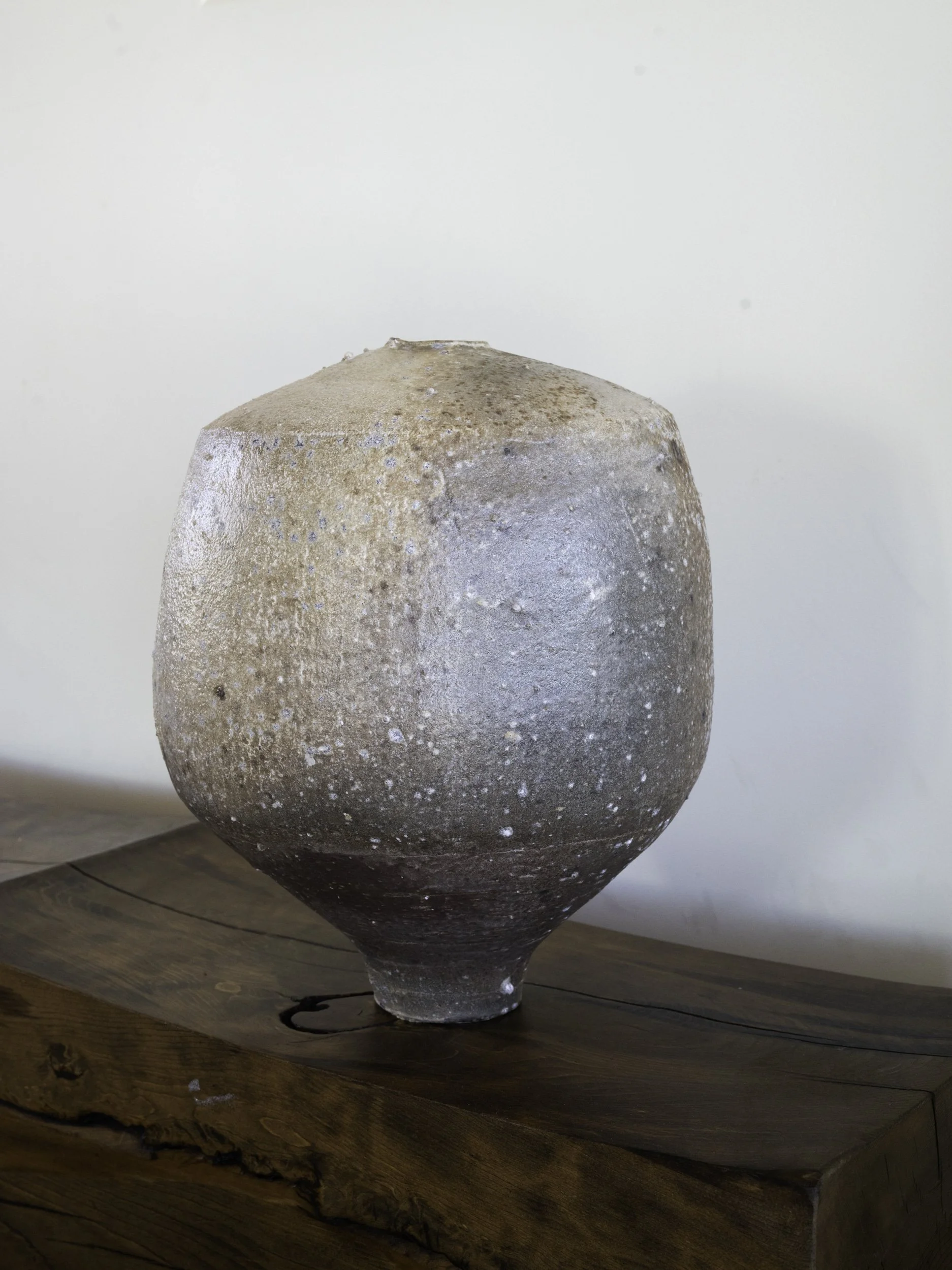
The current collection was created in the past year and photographed at the new Hotel Willa. I hope the images will help you get a sense of the scale and detail of the work. In these specific firings, I put a large part of my focus on difficult floating orbs. These pieces are constructed upside down and then flipped over in the green stage and thrown upside down on the wheel. I create an opening and then shape the bottom into the top. This construction also helps strengthen the pieces, as they are fired in the wood kiln upside down in order to create more resistance in the flame path and enhance the color. I have found that I am generally more interested in the surface that is protected from the wood ash because it showcases the flame and power of the fire’s fluidity.
You will also notice that a lot of my shapes align with the flame path, and are stacked to accentuate the flame’s effect on the surface. This is most noticeable on my vases that are stacked flat instead of upright. The majority of my work is created with a hand dug black clay from Abiquiqu, which is then covered in a highly refractory porcelain slip from New Zealand.
FAQ
-
This work is fired in my Anagama kiln, which we fire 2-4x per year. The kiln is 30 feet long and consists of two chambers. It is like waking inside a small whale or a sailboat turned upside down.
The firings are demanding. It takes about 3 days to load the kiln, and the firing itself lasts about 4 to 5 days. Throughout that time, we are stoking the kiln around the clock on rotating 6hr shifts. In each firing, there can be anywhere from 1200-800 pieces in the kiln. I generally fire the kiln with an 8 person team of past apprentices and guest ceramicists.
Over the course of the firing, we will go through 8 to 10 cords of wood consisting of pine, cottonwood, elm, locust, aspen and whatever else comes our way from local arborists and orchards. Each of the woods has its own character based upon its mineral content and where it is grown. Certain types of wood influence certain types of colors as the ash melts on the pottery. We’ll also use different woods to control the heat and to balance the temperature from front to back of the kiln.
Accordingly, each piece is carefully stacked on clay balls called wads. These wads give me artistic freedom to stack the work on different planes to influence flame direction and ash build up. Each piece is characterized by carefully chosen wad marks. The placement of the piece influences flame path and ash maturation depending upon its orientation and proximity to the firebox. Our goal is for the whole kiln to reach 2300° and to hold it there for up to 24 hours.
At peak temperature in the back chamber of the kiln, we spray baking soda into the kiln to create a glass on the firebox side of the piece. These pieces are very directional and glossier than the work in the front chamber of the Anagama.
The processes yields results that are slightly different each firing, and the surfaces on the pots are a result of the ash, flame movement, and consequent atmosphere in the kiln over that time; each piece has a very serendipitous aesthetic. I try to control the process as much as possible but there are far to many variables. I encourage you to take your time viewing the work, trying to imagine its placement in the kiln, its composition of native clay, and depth of color based upon the native fauna. Enjoy!! -
Shipping for most pieces will be calculated and charged once the item is packed and ready to mail out. Please feel free to reach out with any questions about this.
-
If you have a project that you’re looking for something specific for, please don’t hesitate to reach out here.
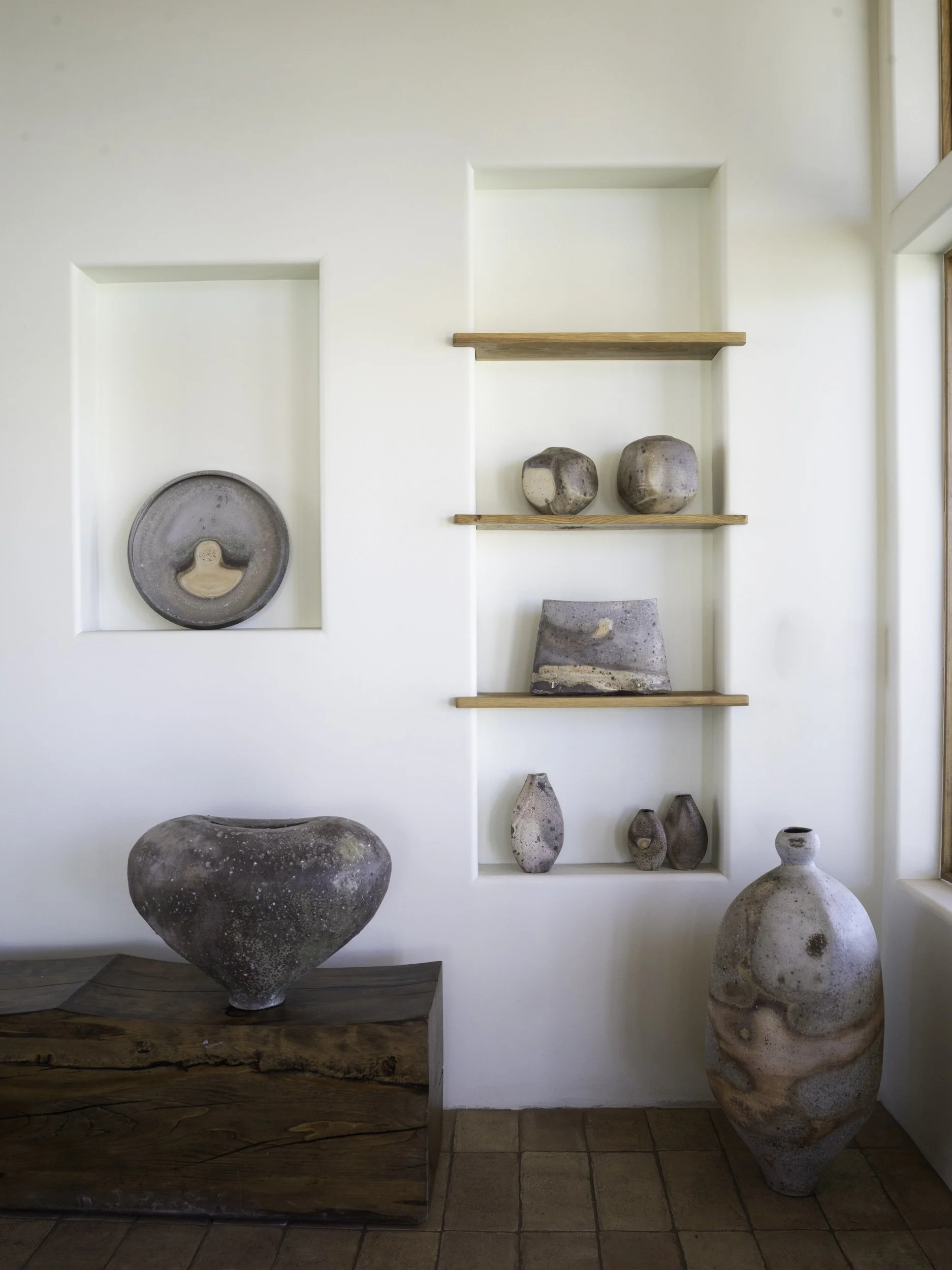
Photography by Alexandra Cancro